

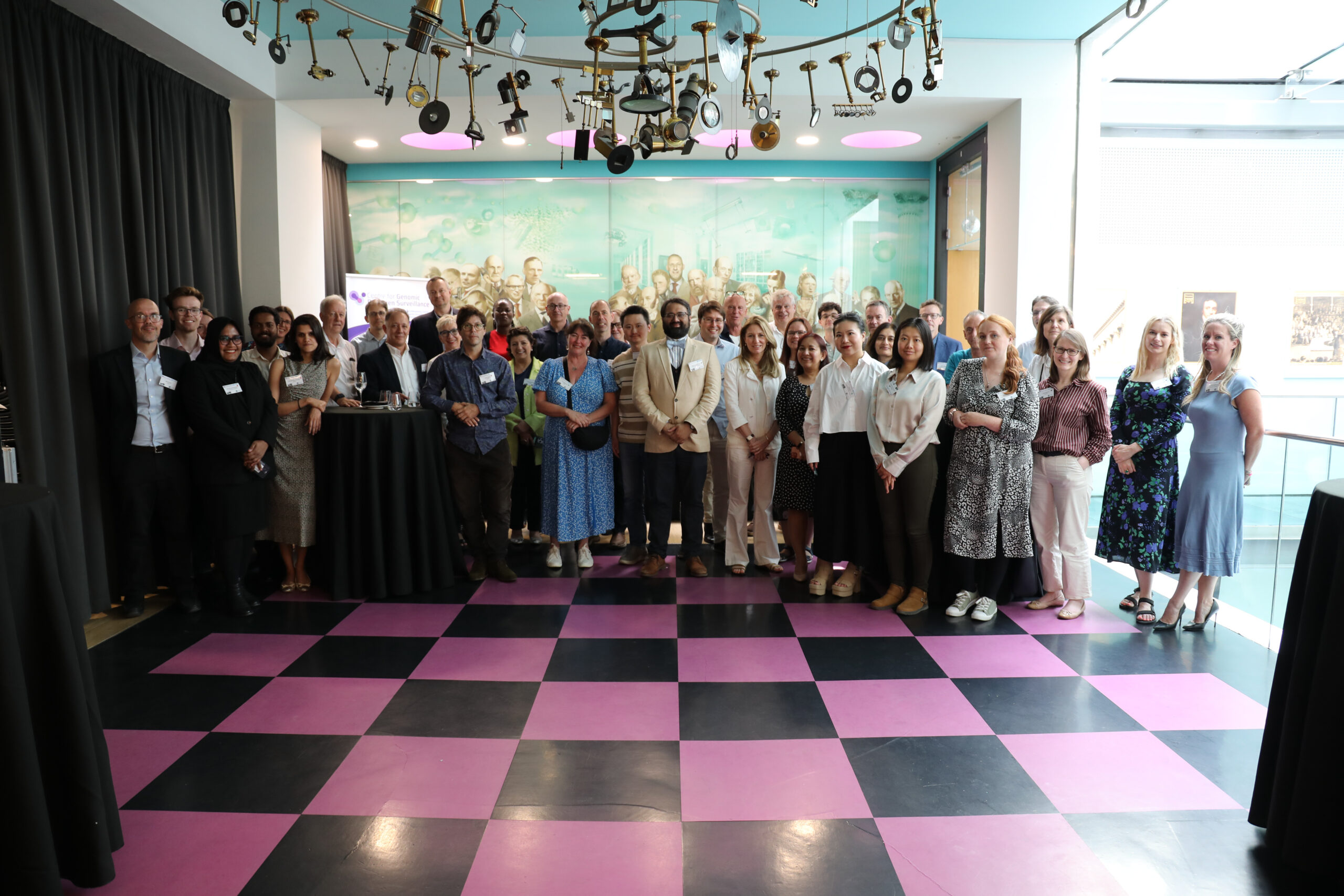

The new WHO Collaborating Centre for Genomic Surveillance of Antimicrobial Resistance (AMR) bas been officially launched at the Royal Institution in London. Hosted by the Centre for Genomic Pathogen Surveillance at the Pandemic Sciences Institute, University of Oxford, the Centre will play a critical role in supporting global efforts to expand and standardise genomic surveillance for AMR.
Designated by the World Health Organization (WHO), this new Collaborating Centre focuses on supporting global efforts to strengthen genomic surveillance of AMR. The Centre will support the development of standardised laboratory protocols, bioinformatics tools, and technical guidance, and will contribute to WHO’s strategic priorities in tackling the growing threat of antimicrobial resistance through enhanced data generation, integration, and use.
“Genomic surveillance provides vital insights into how drug-resistant infections spread and evolve,” said Professor David Aanensen, Director of the Centre for Genomic Pathogen Surveillance and lead of the new WHO Collaborating Centre. “By working in close partnership with WHO and global collaborators, we can help turn data into action, supporting national and global responses to the growing AMR crisis.”
The WHO Network of Collaborating Centres on AMR (provide link) is a longstanding mechanism through which WHO partners with academic and scientific institutions to support WHO’s efforts on AMR surveillance and quality standards at global, regional and national level. There are 38 Collaborating Centers specifically designated to support WHO’s work on AMR, each designated for a renewable four-year period to provide strategic support in areas ranging from communicable diseases to health systems development.
“WHO is committed to strengthening the use of pathogen genomics to guide public health action,” said Dr Silvia Bertagnolio, Unit Head for Surveillance, Evidence and Laboratory Strengthening in WHO’s AMR Division. “This new Collaborating Centre will support WHO’s efforts to build the technical foundations necessary for countries to generate and interprete genomic data, thereby enhancing routine surveillance of antimicrobial resistance”
This new Centre joins a growing international network of institutions working to address AMR – one of the most pressing global health challenges of our time. Through research, tool development and technical support, it will contribute to WHO’s broader efforts to ensure that every country can detect, monitor, and respond to antimicrobial resistance using the best available science.
The launch event brought together AMR researchers, public health officials and WHO representatives for a half-day programme of presentations, panel discussions and collaborative sessions. Key topics included global priorities for AMR surveillance, the current landscape of WHO Collaborating Centres working on AMR, and the opportunities presented by artificial intelligence and machine learning in interpreting genomic data.
Professor Iruka N.Okeke, Professor of Pharmaceutical Microbiology at the University of Ibadan and contributor to the roundtable discussions, noted: “The launch of this Centre comes at a crucial time. To make genomic surveillance meaningful, we must addressdisparities in infrastructure, materials and data access. We must also invest in building and maintaining local expertise in all parts of the world. This Centre’s commitment to global collaboration and capacity building is a welcome step forward.”


