
Despite major advances in genomic technologies and training across Africa a critical challenge remains: how do we translate genomic data into real-world public health action and policy? The Comparative Public Health Architectures for Delivering System-Level Impact (ComPHA) project is tackling exactly this.
A collaboration between the Centre for Genomic Pathogen Surveillance (CGPS; University of Oxford, UK) and the South African National Bioinformatics Institute (SANBI), funded by the Gates Foundation, ComPHA is building on global experience to strengthen genomic surveillance systems for antimicrobial resistance (AMR) and pathogens in wastewater across Africa.
The need is urgent:
- Africa accounts for over 21% of global AMR deaths
- Until recently, only 1.3% of laboratories had sufficient bacteriology capacity to inform national interventions
How are we addressing this gap through ComPHA?
- Conducted surveys and interviews across the continent
- Mapped existing genomic capacity and identified key bottlenecks
- Examined how genomic data from AMR and wastewater surveillance is (or isn’t) being used in public health decision-making
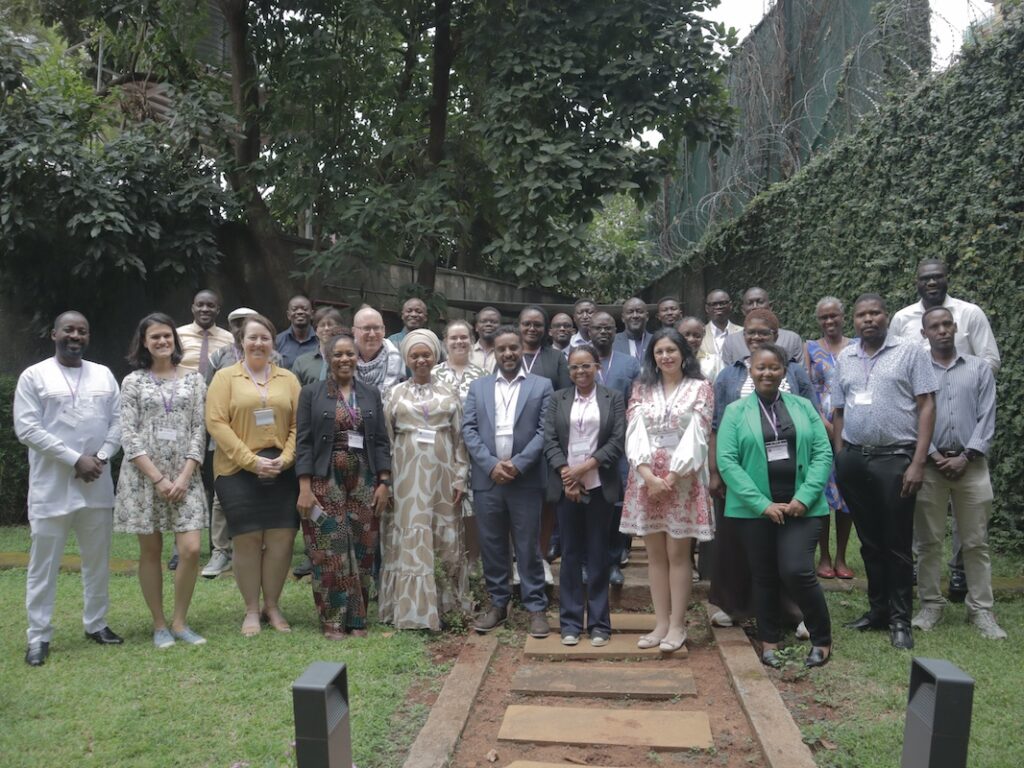
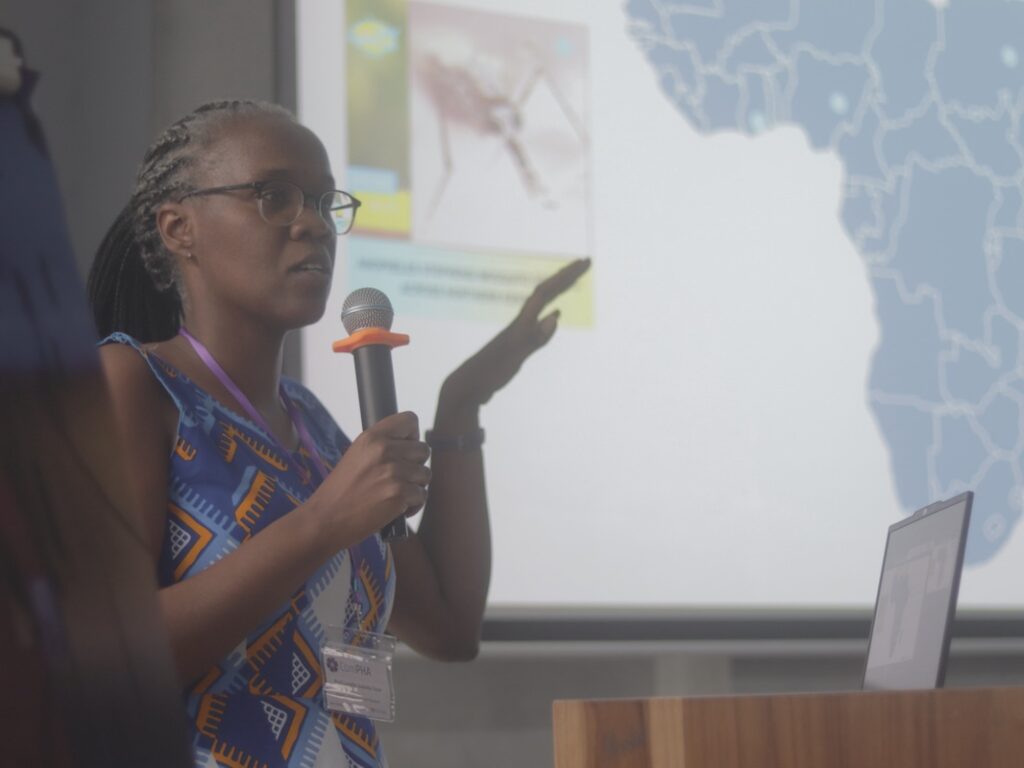
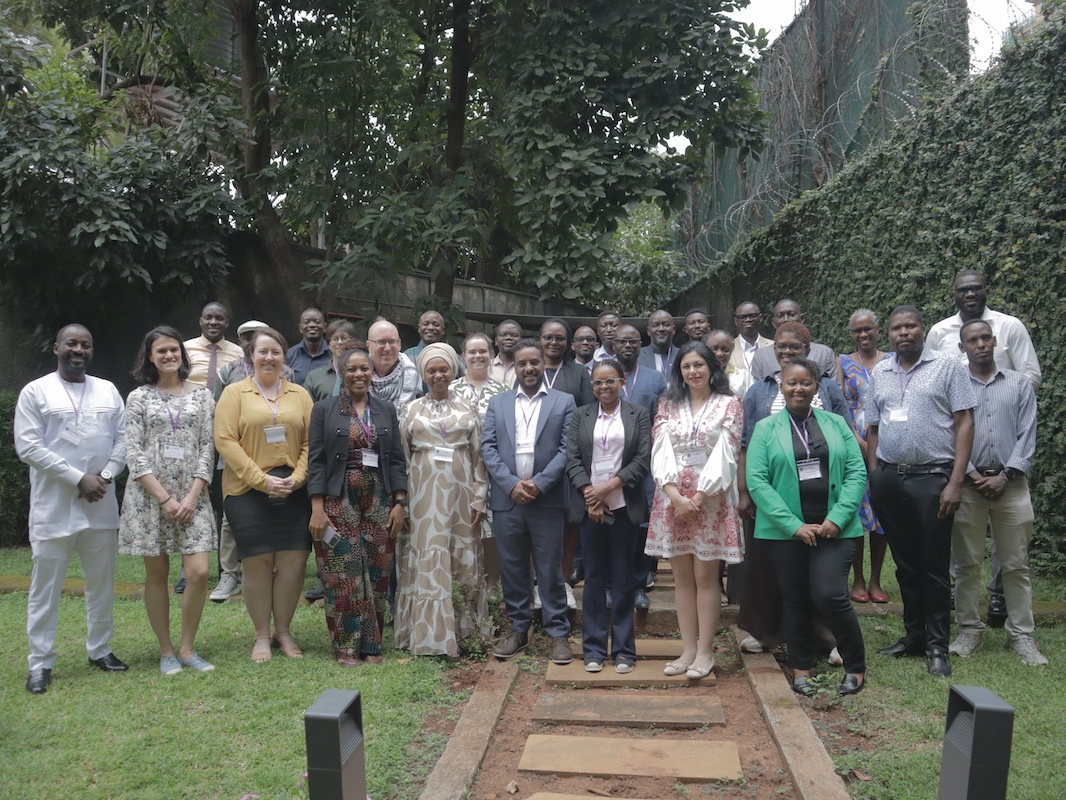
Last month, stakeholders and experts convened in Nairobi, Kenya to validate findings; Identify gaps in surveillance systems; Explore pathways to translate AMR and wastewater genomic insights into policy and intervention.
We looked at the issue from several angles: Surveillance networks and sampling pathways; Sequencing triggers; Data sharing and interoperability; Priority use cases; Sustainable funding models.
A few core insights came across. Dr Sohini Chakrabortee (CGPS) reflected: “Past efforts have often been short-term and project-based, lacking sustained funding and political support. ComPHA aims to change that by identifying scalable, system-level solutions.”
As Peter van Heusden (SANBI) noted: “What really excites me about ComPHA is that we’re spending less time talking about the details of sequencing and spending more time discussing how to better contribute to our peoples’ health through genomic surveillance. Instead of only labs and computers, we’re talking about how we can advocate for moving pathogen genomics from research projects to key tools in the national and regional health systems.”
This is more than a research initiative; it’s a step toward building resilient public health systems that can respond effectively to AMR and beyond.
#PublicHealth #Genomics #AMR #GlobalHealth #Africa #DataForImpact #HealthSystems #ResearchCollaboration #GATES Foundation #CGPS #SANBI